.2606301422278.png)
For decades, the spa industry has sold wellness as an occasional indulgence.
A massage after a stressful month. A facial before a vacation. A booking made as a reward for making it through a difficult week.
The experience feels good. Consumers enjoy it. But from a business perspective, there's a limitation built into the model: wellness becomes something people visit occasionally rather than something they practice consistently.
That distinction is becoming increasingly important.
As consumers place greater value on their physical, mental, and emotional wellbeing, they're looking for solutions that fit into everyday life — not just special occasions. The next generation of wellness brands won't be built around escape. They'll be built around engagement.
The next great wellness franchise won't look like a spa.
The Wellness Industry Has Outgrown the Spa Model
This isn't a criticism of spas. It's an acknowledgment of how consumer expectations have evolved.
Today's wellness consumer doesn't think about wellness as a luxury category. They think about it as a lifestyle category.
They're investing in recovery, stress management, sleep quality, mental wellbeing, longevity, and human connection. They're looking for experiences that help them feel better consistently — not just temporarily.
Traditional spa models were never designed to serve all of those needs. Most were built around individual services and occasional visits. The customer relationship often begins and ends with an appointment.
Modern wellness is broader than a single service. It requires multiple pathways, multiple touch points, and a reason for consumers to return regularly. The brands positioned for long-term growth are recognizing that shift.
From Occasional Indulgence to Recurring Wellness
The most successful wellness concepts today share one important characteristic: they create habits.
Consumers don't build healthier lifestyles through isolated experiences. They build them through routines.
Membership models have become powerful across the wellness industry precisely because of this. They transform wellness from an occasional purchase into an ongoing relationship.
Membership alone, though, isn't enough.
A recurring business model works best when members have multiple reasons to engage. The more ways a brand can support a member's wellbeing, the more valuable that relationship becomes over time. A single service can drive visits. An ecosystem drives loyalty.
The Future Belongs to Wellness Ecosystems
The next phase of wellness isn't about offering a better massage, a more luxurious facial, or a more modern environment.
It's about creating an integrated experience that addresses the many factors influencing how people feel every day — from recovery and relaxation to stress management, emotional wellbeing, and social connection.
Consumers increasingly understand that these elements are interconnected. Piecing together a wellness routine across five different operators, five separate memberships, and five different front desks isn't a wellness strategy — it's overhead. When one trusted brand can provide a more complete solution, the calculus changes.
Why Heights Was Built Differently
At first glance, Heights Wellness Retreat may share certain characteristics with a spa.
There are suites. There are massage services. There are skincare experiences.
The similarities end there.
Heights wasn't built to compete for the same occasional guest visit as a traditional spa. It was built to capture an entirely different behavior.
Most spas operate within an appointment economy — consumers book when a reason presents itself. Heights operates within a membership economy. The objective isn't to sell a service. It's to become part of a member's ongoing wellness routine.
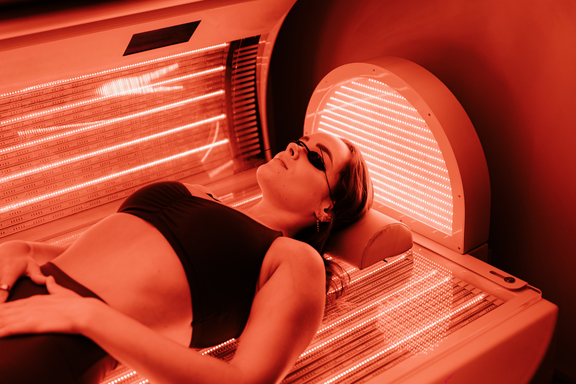
The architecture reflects this. The Oasis is home to hands-on massage and skincare — the foundation of the member habit and the highest-trust service in the Retreat. The Ascension Circuit adds touchless wellness technology: red light therapy, infrared sauna, cryotherapy, and halotherapy — zero incremental labor, self-guided, available to members as part of their recurring Path. The Well is the social layer — a community space where members gather, where belonging compounds retention in ways no marketing spend can replicate.
Three environments. One membership. One reason to return.
What This Means for Franchise Investors
For investors evaluating the future of wellness, the structural distinction matters more than the brand story.
A transactional business is only as strong as last week's appointments. A membership business carries a baseline that compounds — recurring revenue that creates predictability in hiring, planning, and cash flow from the earliest months of operation.
Multi-zone architecture deepens that advantage. When a member holds a Path that spans both hands-on care and wellness technology, their engagement frequency increases, their Path becomes harder to leave, and their lifetime value grows with every month they stay. The member who upgrades from Path One to Path Three doesn't just pay more — they visit more, refer more, and churn far less.
The opportunity for a Heights Wellness Retreat Franchise Owner isn't simply to operate a better version of an existing wellness concept. The opportunity is to operate a fundamentally different one — where the business model, the physical environment, and the membership architecture are all designed to make consistency the easiest outcome for the member.
The Category Is Changing
The wellness brands that define the next decade won't be the ones offering the most luxurious version of an existing category. They'll be the ones creating categories of their own.
Consumers are moving beyond occasional wellness and toward integrated experiences that support every aspect of their lives. The brands built to meet them there — with the right operating system, the right membership model, and the right physical environment — are the ones worth watching.
The next great wellness franchise won't look like a spa because the future of wellness isn't about helping people escape their lives for an hour.
It's about helping them live better every day. Heights Wellness Retreat was built for exactly that.