Summer ends and something shifts. The days get shorter, schedules tighten back up, and the loose, high-energy routines of June through August give way to something heavier. It is a well-documented seasonal pattern: energy dips, motivation dips, and the habits people built over the summer start to slide. According to the American Psychiatric Association's Healthy Minds Poll, 41% of Americans say their mood declines as the colder months set in, rising to 52% in the Midwest and 46% in the Northeast. October is when people go looking for a reset.
For a wellness brand, that is not a slow season. It is a demand signal.
The Reset Isn't Just Mental. It's Physical, Too.
Most conversations about the fall slump focus on mindset: less daylight, more indoor time, the return of "back to routine" pressure. But the physical toll is just as real. Gallup's tracking of U.S. health habits shows the share of adults exercising frequently peaks in midsummer, at 54.5% in July, then slides to 52.2% in October and 49.8% by November. Recovery habits built during an active summer often quietly disappear once schedules compress, and guests notice the difference before they can name why.
This is exactly the gap a Reset Journey is built to close. Rather than a single service aimed at one symptom of the slump, a Reset Journey moves a guest across zones with a specific goal in mind: recalibration, not just relaxation.
What a Reset Actually Looks Like at Heights Wellness Retreat
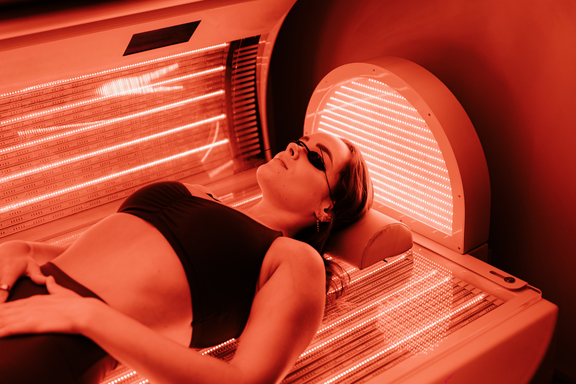
A guest working through a Reset Journey might start in the Ascension Circuit, where wellness technology supports recovery and circulation after a summer of higher activity. From there, the path might move into Drift Lounge or Oasis, where the social and restorative side of the experience takes over. It is a combination, not a single stop, which is the point. The three pillars, Wellness Technology, Hands-On Care, and Social Club, are designed to work together, and a seasonal reset is one of the clearest examples of why.
This is also where the Path structure earns its keep. A guest on Path 2 experiences the Reset Journey primarily through the technology side, in the Ascension Circuit and beyond. A guest on Path 3 moves through every zone, layering hands-on care with tech-driven recovery. Neither path treats the reset as an afterthought. Both are built to support it.
Why This Matters for Franchise Owners
For a prospective Franchise Owner evaluating a wellness concept, seasonality is one of the first questions worth asking. A business that only performs in January, or only in the run-up to summer, carries real revenue risk. Heights Wellness Retreat is built differently. The membership model, and the Journey structure in particular, gives guests a reason to show up in every season, including the one most wellness brands treat as a lull.
The broader demand picture backs that up. McKinsey estimates U.S. wellness spending at more than $500 billion a year, growing 4 to 5 percent annually, and 84% of U.S. consumers call wellness a top or important priority. McKinsey also found that consumers increasingly treat wellness products and services as part of their essential routines rather than discretionary purchases.
October is not a quiet month at Heights Wellness Retreat. It is when the model does exactly what it was built to do.